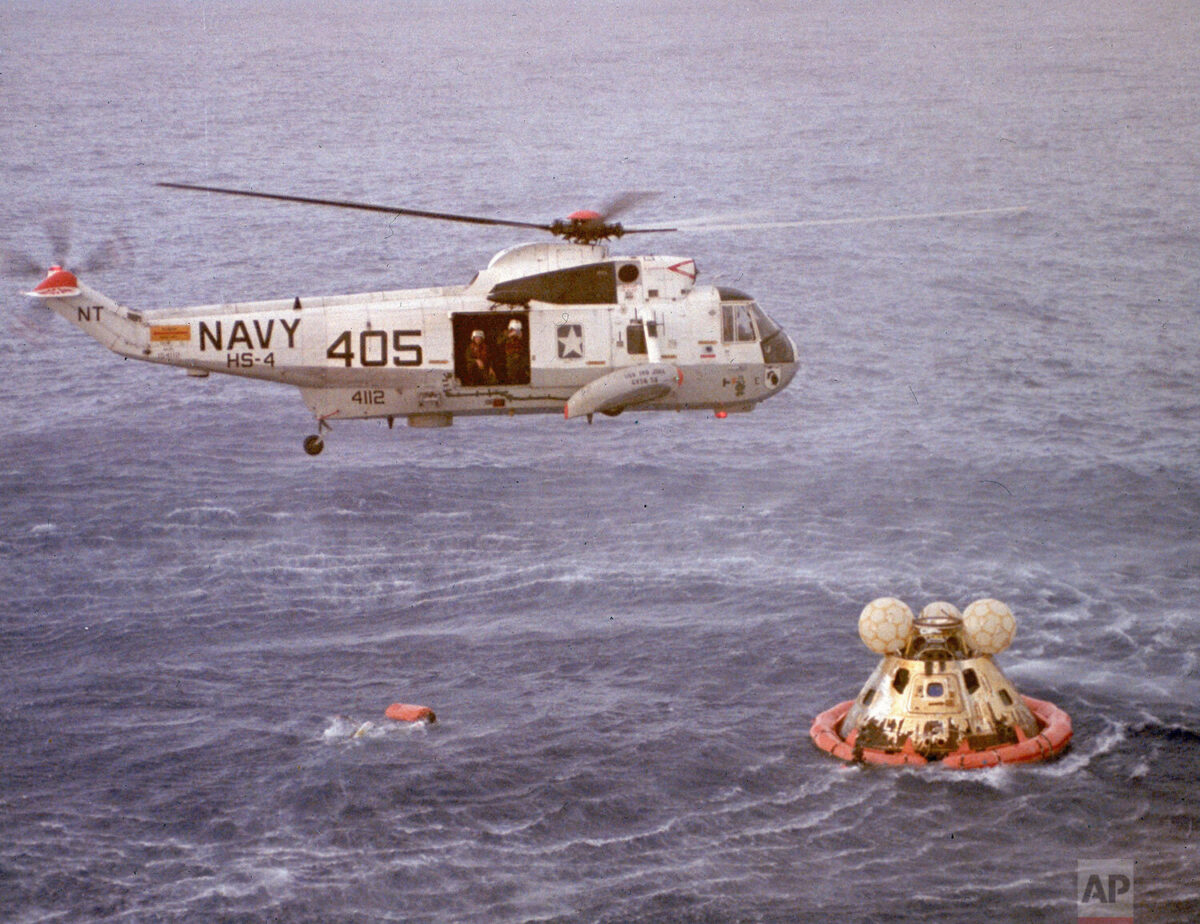
When people think of two-way radios, they often picture security guards, construction sites, or outdoor adventures. But few realise that the principles behind modern walkie-talkies played a crucial role in one of the most dramatic rescue missions in human history: Apollo 13.
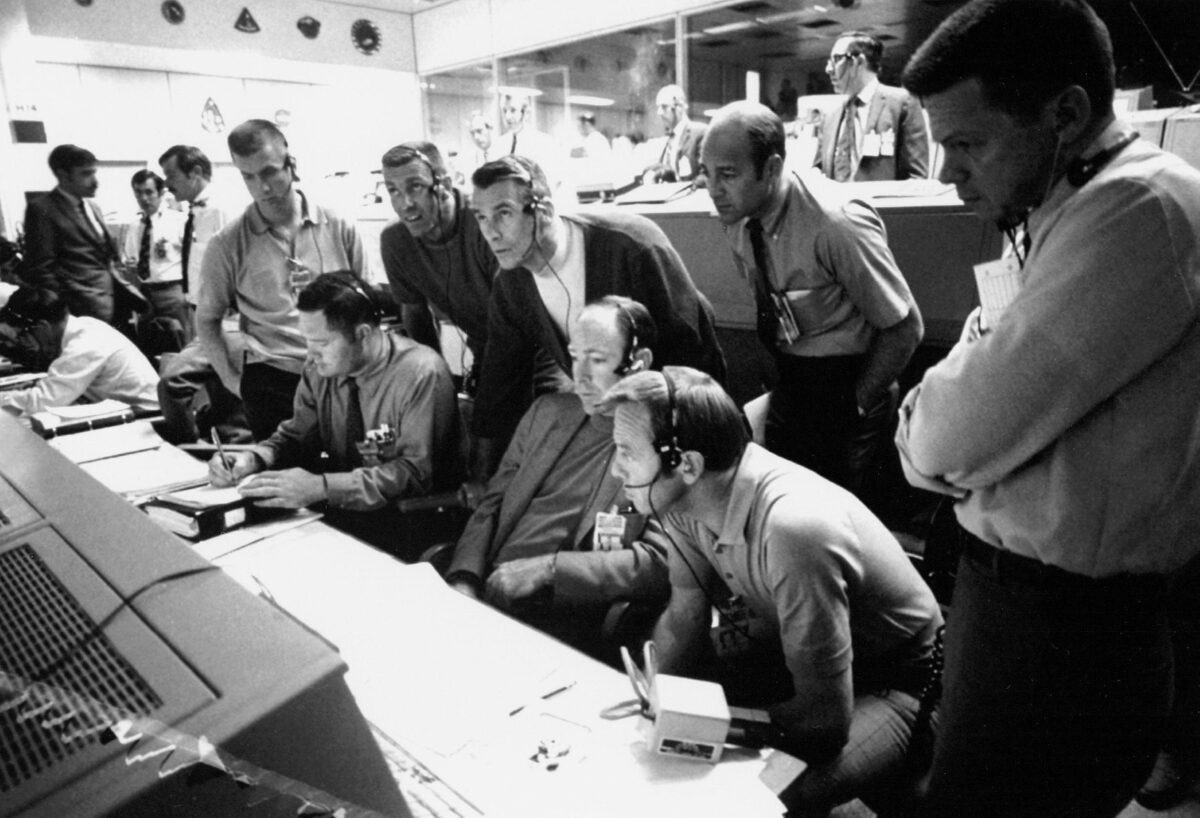
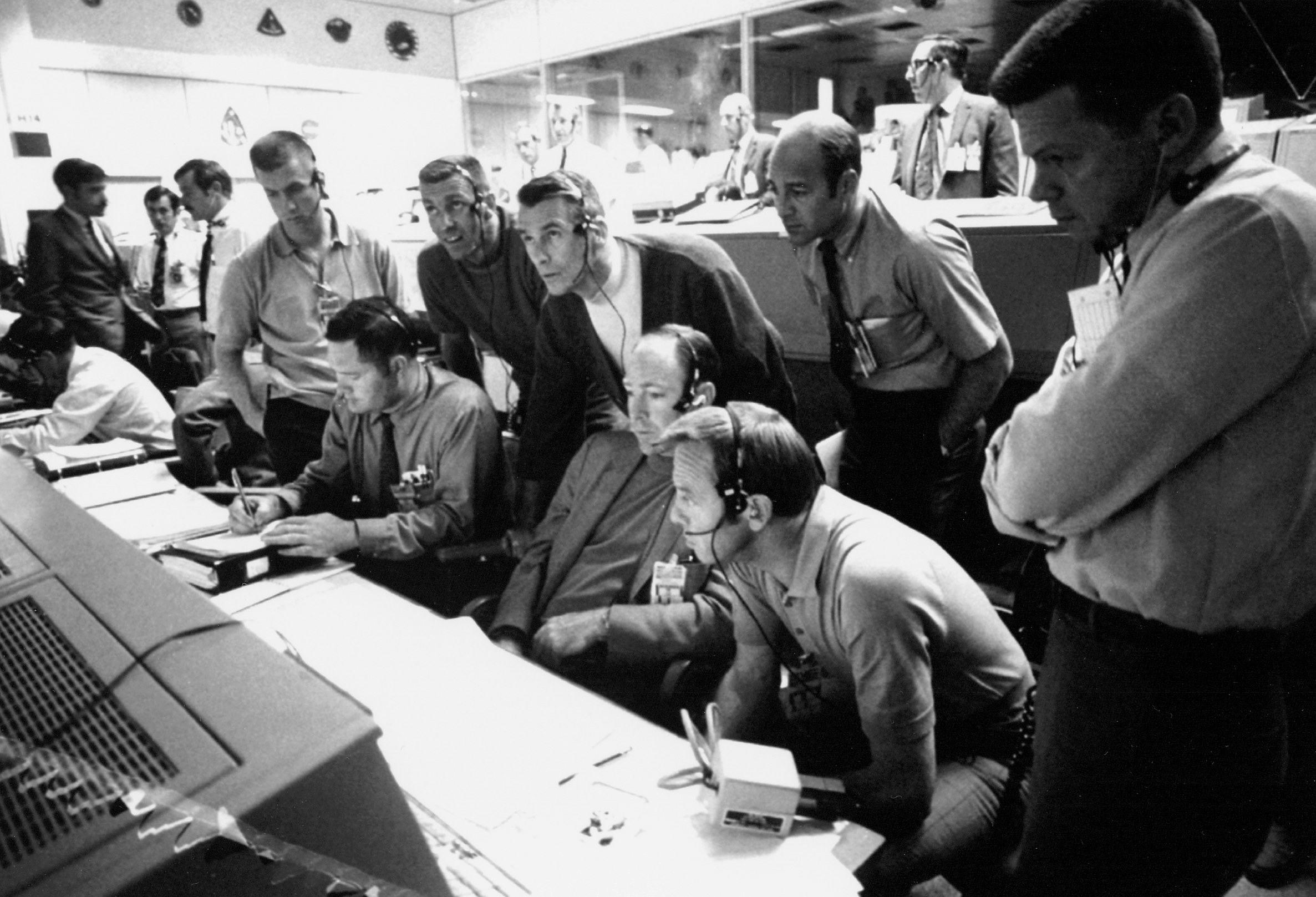
“NASA flight controllers in Houston worked around the clock to maintain communications and guide Apollo 13 safely back to Earth.”
In April 1970, Apollo 13 launched with the goal of landing on the Moon. Instead, an oxygen tank explosion turned the mission into a desperate fight for survival more than 200,000 miles from Earth.
The astronauts suddenly found themselves with limited power, dwindling resources, and a spacecraft that was rapidly becoming uninhabitable. Their only lifeline was communication.
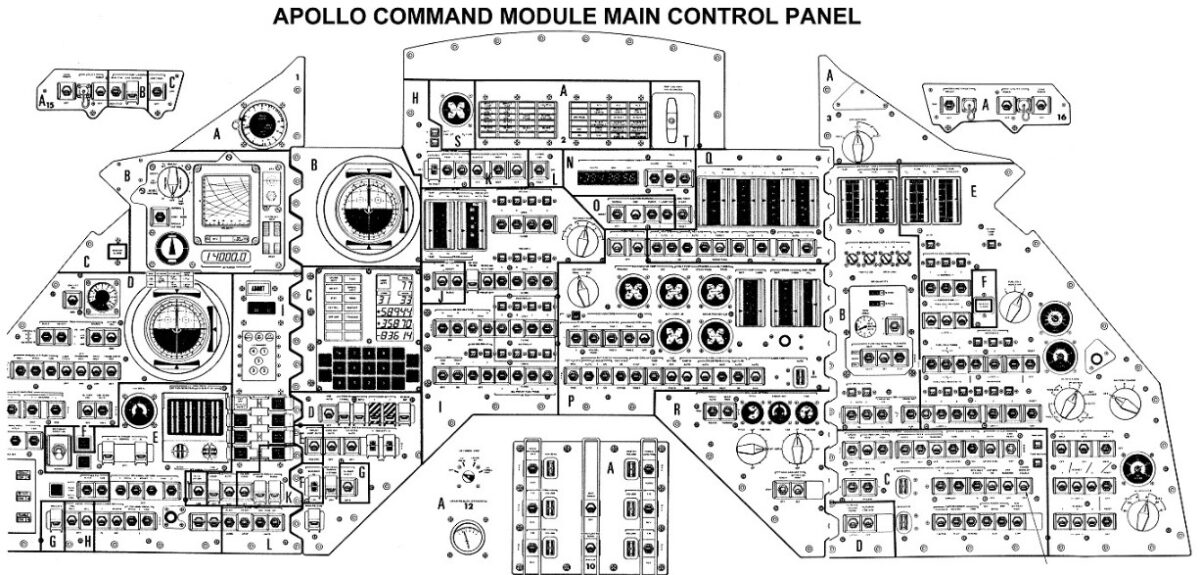
Every instruction from Mission Control ultimately translated into actions on this control panel, where the Apollo 13 crew managed life support, navigation, power, and communications during their journey home.
Communication: The Most Important System Onboard
While Hollywood often focuses on the explosion itself, engineers at NASA knew that communication was the key to bringing the crew home.
The astronauts relied on radio systems operating across vast distances. Unlike today’s smartphones, there were no networks, satellites, or internet connections to fall back on. Every instruction, calculation, and life-saving decision depended on reliable two-way radio communication between Mission Control in Houston and the spacecraft.
During the crisis, engineers worked around the clock to develop procedures that had never been tested before. They transmitted complex instructions by voice, which the astronauts carefully copied down and executed.
Without dependable radio communications, Apollo 13 would almost certainly have ended in tragedy.
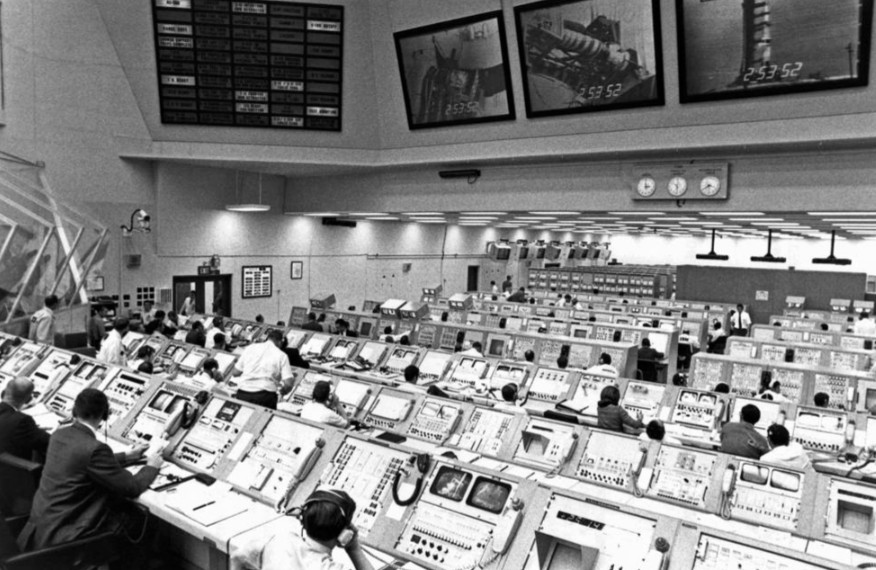
Every decision that saved Apollo 13 passed through Mission Control, where teams maintained constant communication with the spacecraft more than 200,000 miles from Earth.
From Spacecraft to Modern Walkie-Talkies
The technology inside Apollo 13 was vastly more sophisticated than the handheld radios we use today, but the core principle remains the same:
- One person transmits.
- Another person receives.
- Information moves instantly without relying on physical connections.
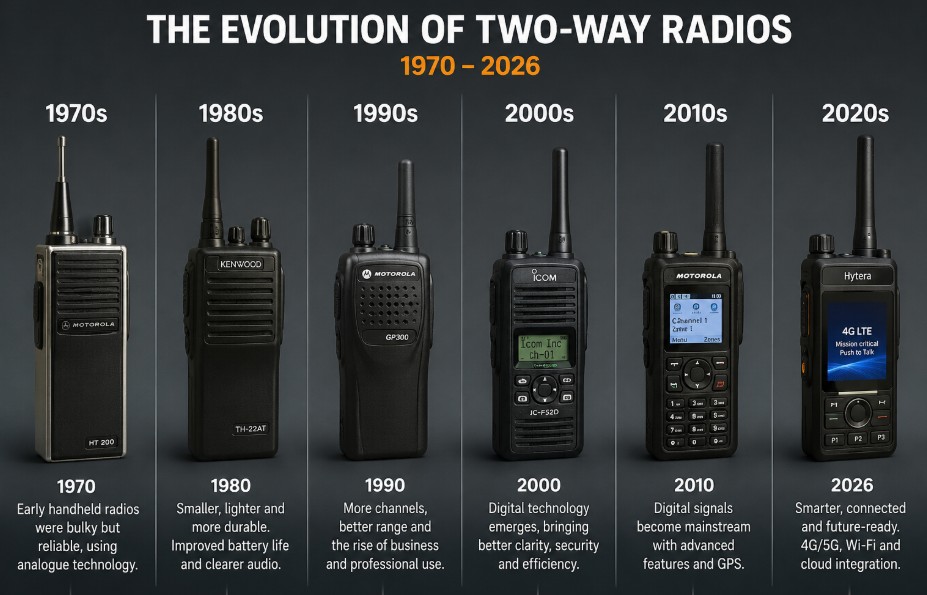
Modern two-way radios benefit from decades of advances in electronics, battery technology, and digital communications, but they still deliver the same fundamental advantage: reliable communication when it matters most.
Why Two-Way Radios Still Matter Today
In an age of smartphones and instant messaging, it’s easy to assume that walkie-talkies are outdated.
The reality is quite the opposite.
Two-way radios continue to be trusted by:
- Emergency responders
- Security teams
- Event organisers
- Construction companies
- Manufacturing facilities
- Outdoor expedition groups
Why? Because radios offer advantages that mobile phones often cannot:
Instant Communication
There’s no need to dial a number or wait for someone to answer. Push the button and speak.
Independence from Mobile Networks
Cell towers can become overloaded, damaged, or unavailable. Radios communicate directly with each other.
Durability
Many professional radios are built to survive drops, dust, rain, and harsh working environments.
Group Communication
One message can reach an entire team simultaneously.
The Legacy Lives On
More than 50 years after Apollo 13, communication technology has evolved dramatically. Yet the mission remains one of the greatest examples of how dependable radio communication can make the difference between success and failure.
Whether you’re coordinating a construction project, managing a large event, or exploring remote terrain, the same principle applies today as it did in 1970:
When everything else fails, reliable communication is priceless.
And that’s exactly why two-way radios continue to earn their place in the modern world!