
Communication at sea has always been a matter of safety, navigation and coordination. While modern vessels carry smartphones and satellite equipment, marine radios remain the most important communication tool on the water. From calling for help in an emergency to contacting marinas and harbour authorities, a marine radio is considered essential equipment for both commercial vessels and recreational boaters.

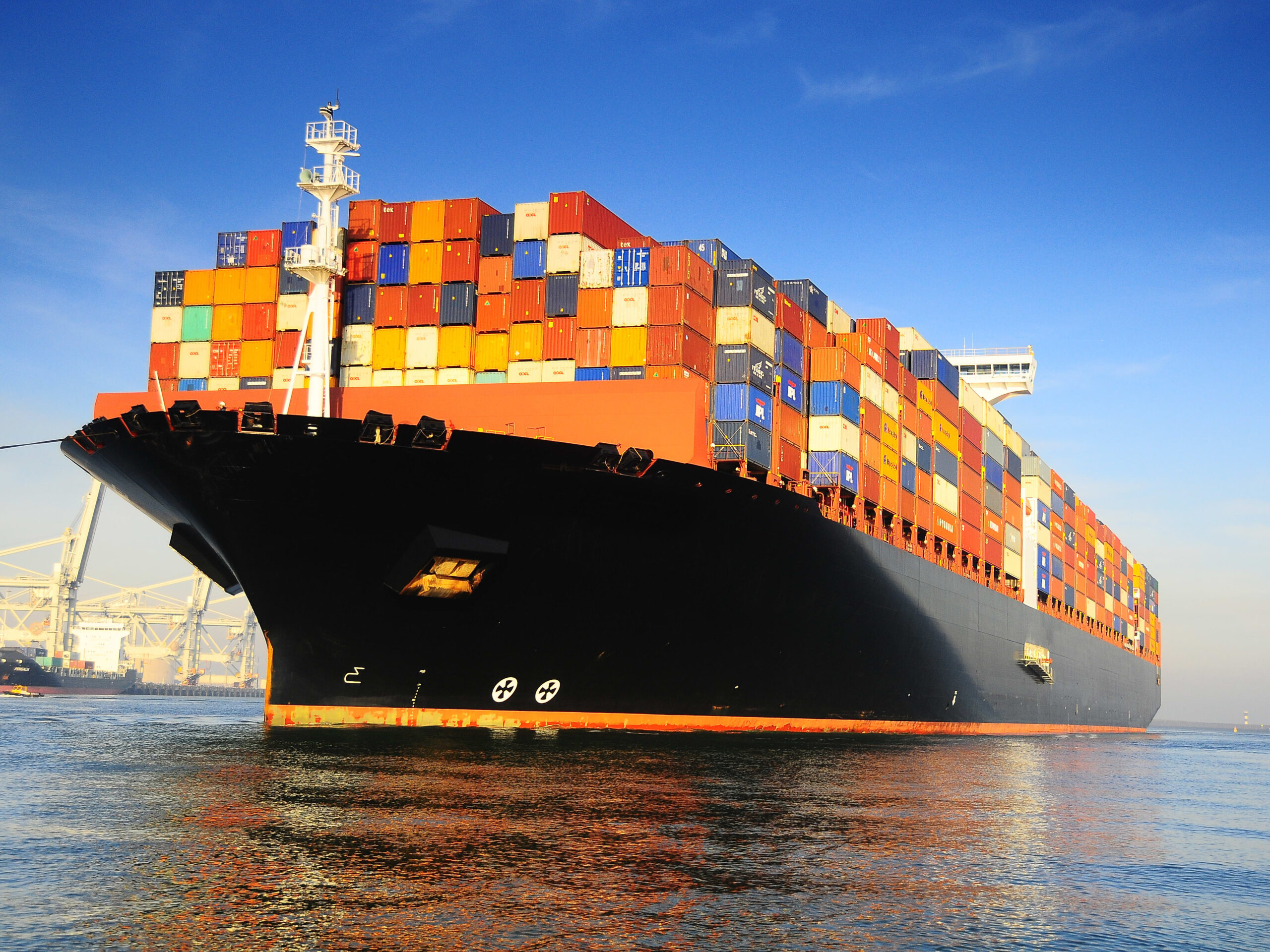
Modern container ships transport around 90% of the world’s non-bulk cargo, making maritime communication systems such as marine radios critical for navigation, safety and coordination at sea.
This guide explains what marine radios are, why they are important, the future transition from analogue to digital systems, ATEX marine radios, and the licensing requirements for using them in the UK.
What Is a Marine Radio?
A marine radio is a two-way communication system designed specifically for maritime use. The most common type is the VHF (Very High Frequency) marine radio, operating between 156–174 MHz. These radios allow communication between vessels and shore stations such as coastguards, harbour authorities and marinas.
Marine radios are a key component of the maritime safety system and are used to transmit distress signals, navigational information and operational messages.
Typical types include:
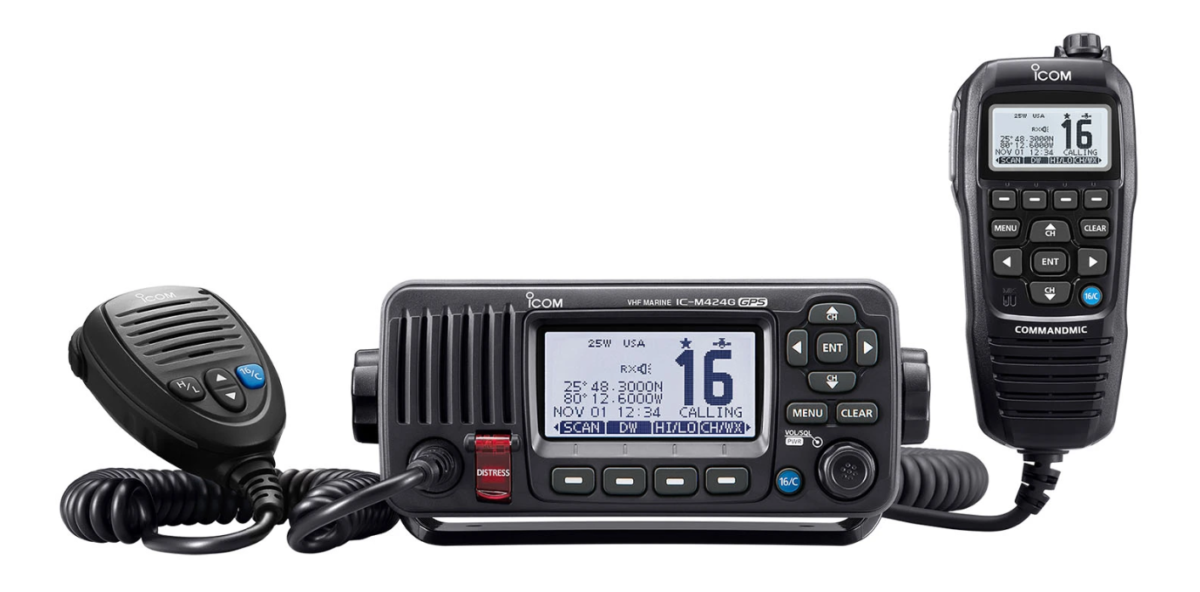
Fixed VHF radios – permanently installed on vessels
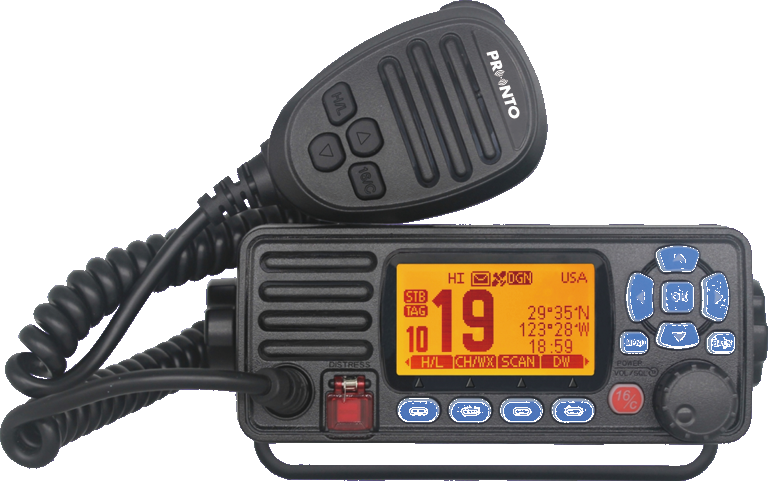
Handheld VHF radios – Units often used on small boats or as backup

MF/HF radios – used for longer-range offshore communication
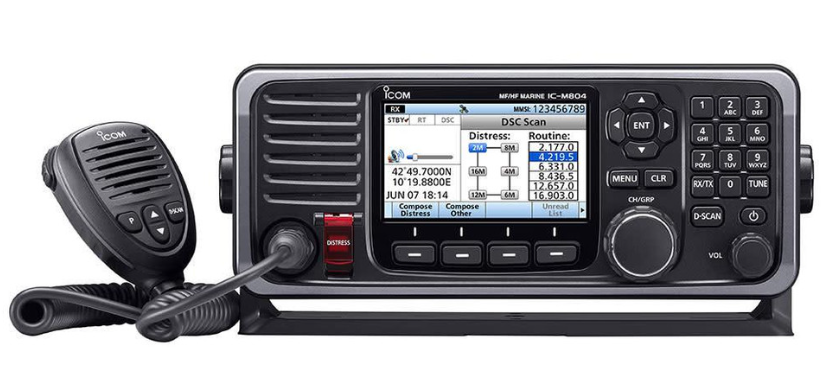
DSC (Digital Selective Calling) radios – allow automated distress calls and digital messaging
Why Marine Radios Are Important
Emergency and Distress Communication
The most critical role of marine radios is safety. Channel 16 on marine VHF is monitored internationally for distress calls. If a vessel experiences trouble, a Mayday call can be transmitted instantly to nearby vessels and coastguards.
Unlike mobile phones, marine radio communication:
- Works without mobile coverage
- Is monitored by maritime rescue services
- Can reach multiple vessels simultaneously
This makes it the most reliable emergency communication system at sea.
Communication With Harbours and Marinas
Boaters regularly use marine radios to:
- Request permission to enter a harbour
- Arrange berthing with marinas
- Communicate with port control or lock operators
This helps ensure safe navigation in busy waterways.
Vessel-to-Vessel Communication
Marine radios allow boats to communicate directly with each other to coordinate movements, warn about hazards, or discuss navigational situations.
Weather and Safety Broadcasts
Coastguard stations broadcast navigational warnings and weather updates, which can be received via marine radio. These updates are vital for planning routes and avoiding dangerous conditions.
ATEX Marine Radios
Some maritime environments contain flammable gases or explosive atmospheres, such as:
- Oil and gas platforms
- Fuel tankers
- Chemical vessels
- Refuelling areas in ports
In these environments, standard radios could potentially ignite vapours if they produce sparks or excessive heat.
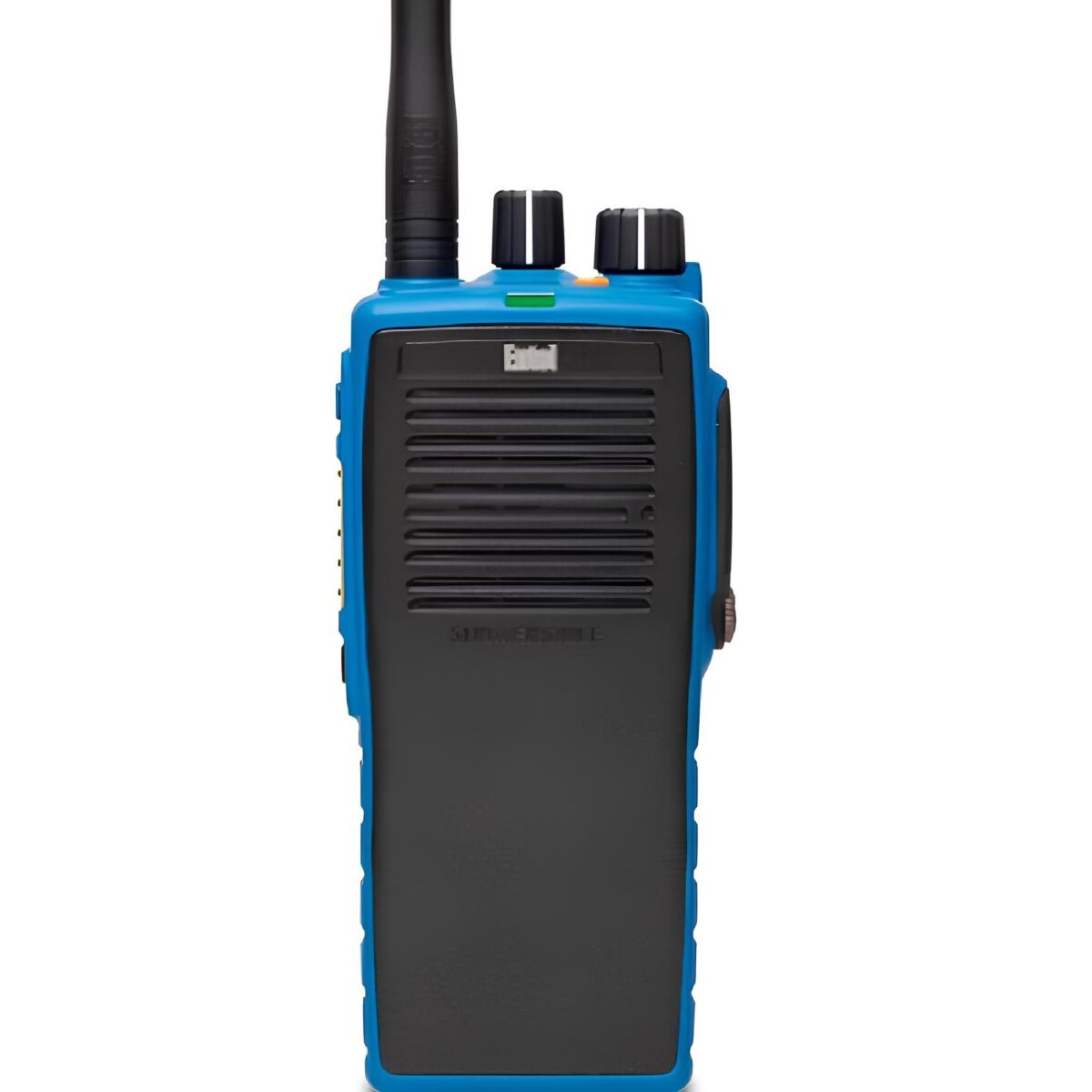
ATEX marine radios are designed specifically for hazardous environments and comply with the ATEX Directive (Atmosphères Explosibles). These radios are built with:
- Intrinsically safe electrical components
- Anti-spark construction
- Temperature controls to prevent ignition
They are essential equipment for vessels operating in explosive or high-risk industrial maritime environments.
Analogue vs Digital Marine Radios
Most marine VHF radio communication today is analogue voice communication.
However, the maritime industry is gradually exploring digital technology to improve efficiency and data exchange.
Current Digital Features
Even though voice communication is mostly analogue, many radios already include digital functions such as:
- DSC (Digital Selective Calling) for automated distress alerts
- AIS (Automatic Identification System) for vessel tracking
- VDES (VHF Data Exchange System) for digital data transfer
VDES is expected to expand maritime digital communications in the future.
Future Transition to Digital Voice
International maritime organisations and regulators are currently studying the transition to digital VHF voice communication.
Current proposals suggest:
- A gradual migration from analogue to digital voice systems
- Global standards developed by the IMO and ITU
- Possible implementation between 2035 and 2045 to allow a smooth transition.
For the foreseeable future, analogue VHF radios will continue to be widely used, with digital systems introduced alongside them.
Licensing Requirements for Marine Radios in the UK
Licensing Requirements for Marine Radios in the UK
Marine radio use in the UK is regulated by Ofcom, and there are two main licensing requirements.
1. Ship Radio Licence (for the vessel)
Every boat carrying radio transmitting equipment must have a Ship Radio Licence issued by Ofcom.
This licence:
- Authorises the radio equipment installed on the vessel
- Provides the vessel with a call sign
- Assigns a Maritime Mobile Service Identity (MMSI) number for digital distress alerts.
Portable radios used across multiple boats require a Ship Portable Radio Licence instead.
2. Operator Licence (for the person using the radio)
The person operating the radio must also hold an appropriate certificate.
For recreational boating in the UK, the most common qualification is the:
RYA Short Range Certificate (SRC)
This certification:
- Demonstrates competence in operating marine VHF radios
- Covers distress procedures, channel usage and radio etiquette
- Requires completion of a short course and exam
Without an operator licence, transmitting on marine frequencies is illegal.
For offshore or commercial operations, a Long Range Certificate (LRC) may be required, covering MF/HF radios and satellite systems.
Why Every Boater Should Carry a Marine Radio
For boating enthusiasts, a marine radio is more than just communication equipment — it is a lifesaving safety tool.
Reasons to carry one include:
- Immediate access to coastguard rescue services
- Communication with nearby vessels
- Navigation and weather updates
- Contact with marinas and harbours
- Compliance with maritime regulations
Even for small recreational boats, a handheld VHF radio can be the difference between a manageable situation and a serious emergency.
The Future of Marine Radio
While the core purpose of marine radio communication remains unchanged — safety and coordination — the technology is evolving.
Future developments may include:
- Digital voice communication
- Expanded maritime data networks such as VDES
- Integration with AIS and satellite systems
- Smart distress alerts and automated reporting
However, marine VHF radios will likely remain a fundamental piece of boating equipment for decades to come.
✅ In short: Whether you are a commercial operator, sailing enthusiast, or leisure boater, understanding marine radios and the associated UK licensing requirements is essential for safe and responsible boating.
Keep coming back to walkie-talkies.com for the most up-to-date information regarding Maritime radios!


